
Curriculum & Instruction Home
Curriculum & Instruction
Meet the Director of Staff and Student Success
Alexis Yoder serves as the Director of Staff and Student Success at Lakeland School Corporation, where we are deeply committed to fostering an environment where both students and staff can thrive. With a passion for educational equity and excellence, Alexis works tirelessly to ensure that every student receives the support they need to succeed and that every educator has the resources to excel in their roles.
Alexis oversees programs designed to enhance students’ academic performance and overall well-being while simultaneously cultivating a positive and professional atmosphere for staff. Her approach integrates innovative practices, ongoing professional development, and a focus on data-driven decision-making to support continuous improvement.
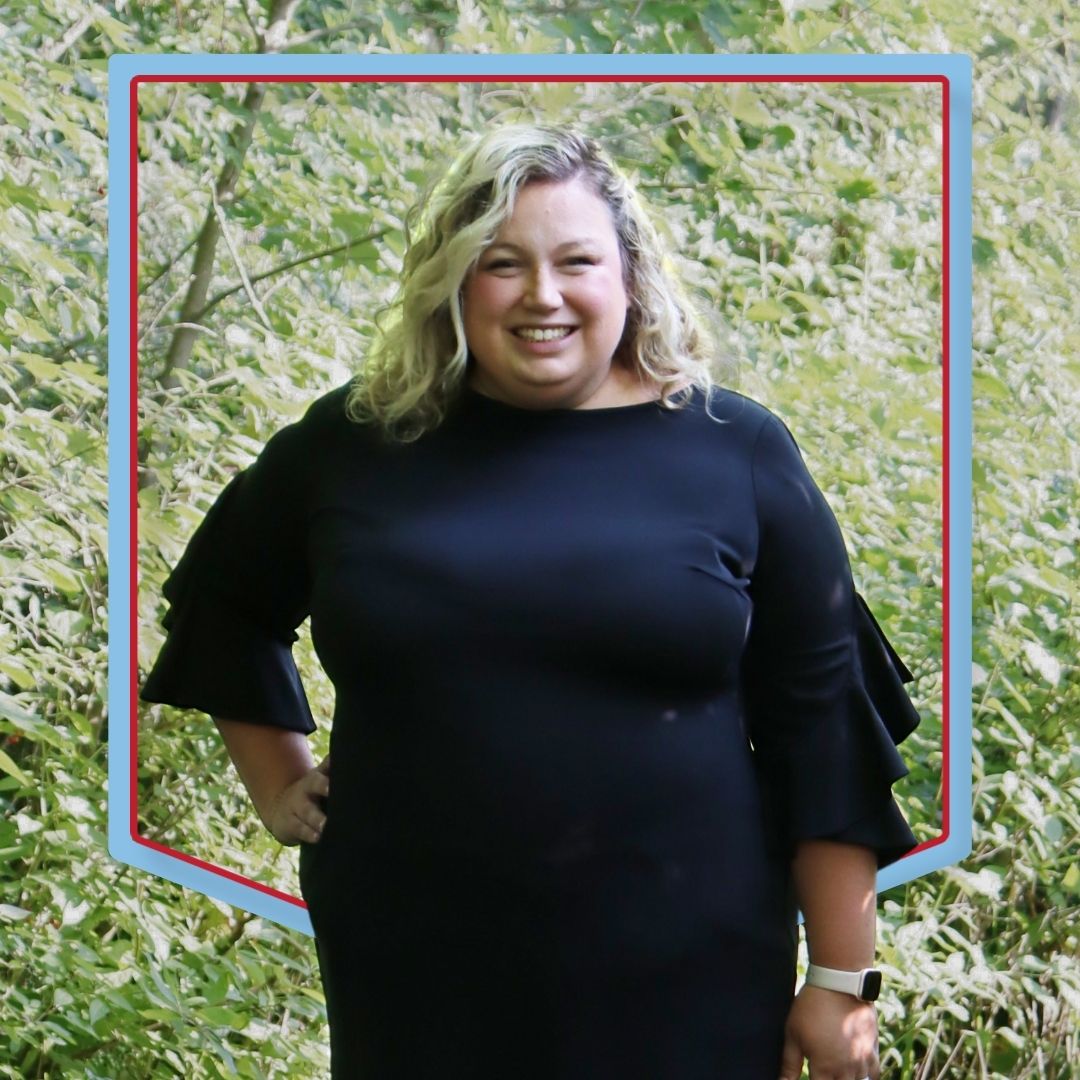
Alexis Yoder
Director of Staff and Student Success
Phone: (260) 499 - 2400
E-Mail: agrossman@lakelandlakers.net
Employment Contract (IC 20-26-5-4.3)
Dyslexia Screening
School corporations and charter schools must ensure that all students in kindergarten, grade one, and grade two are screened each school year for learning characteristics related to dyslexia. The selected universal screener must be approved by IDOE. Universal screeners are brief, designed for all students, and provide an indicator if students may be at risk or at some risk for learning characteristics related to dyslexia.
- Schools must notify parents that universal screening for learning characteristics related to dyslexia will occur
- Students who transfer or enroll after the start of the school year must participate in the universal screener for learning characteristics related to dyslexia only if they have not participated in such screening at their previous school.
- Students may be exempted from screening if they meet one or both of the following
criteria:- The parent (or legal guardian) of the student objects to the screening, or
- The student is already receiving intervention services for dyslexia.
Students in grade three and beyond must participate in screening for characteristics of dyslexia if a classroom teacher identifies that the student struggles with all of the following six skills:
- Phonological and phonemic awareness;
- Sound symbol recognition;
- Alphabet knowledge;
- Decoding skills;
- Rapid naming skills; and
- Encoding skills.
Resources to support dyslexia interventions are available on the IDOE Dyslexia webpage.
For more information on Lakalend School Corporation’s dyslexia screening and intervention, see Policy 2462.
Authorized Reading Specialist
- Alexis Grossman, Director of Staff & Student Success
Training the specialist completed:
- IMSE OG+
- Keys to Literacy
Screener Used:
Intervention Programs Used:
- IMSE OG+ Intervention
- Heggerty Phonemic Awareness Strategies
The number of students identified with dyslexic tendencies: 44 after the Universal Screener
The number of students who received dyslexia intervention: 39 after the Level 1 Screener
-
School corporations and charter schools must ensure that all students in kindergarten, grade one, and grade two are screened each school year for learning characteristics related to dyslexia. The selected universal screener must be approved by IDOE. Universal screeners are brief, designed for all students, and provide an indicator if students may be at risk or at some risk for learning characteristics related to dyslexia.
- Schools must notify parents that universal screening for learning characteristics related to dyslexia will occur
- Students who transfer or enroll after the start of the school year must participate in the universal screener for learning characteristics related to dyslexia only if they have not participated in such screening at their previous school.
- Students may be exempted from screening if they meet one or both of the following
criteria:- The parent (or legal guardian) of the student objects to the screening, or
- The student is already receiving intervention services for dyslexia.
Students in grade three and beyond must participate in screening for characteristics of dyslexia if a classroom teacher identifies that the student struggles with all of the following six skills:
- Phonological and phonemic awareness;
- Sound symbol recognition;
- Alphabet knowledge;
- Decoding skills;
- Rapid naming skills; and
- Encoding skills.
Resources to support dyslexia interventions are available on the IDOE Dyslexia webpage.
For more information on Lakalend School Corporation’s dyslexia screening and intervention, see Policy 2462. -
-
Intervention Programs Used:
- IMSE OG+ Intervention
- Heggerty Phonemic Awareness Strategies
The number of students identified with dyslexic tendencies: 44 after the Universal Screener
The number of students who received dyslexia intervention: 39 after the Level 1 Screener
Literacy Curriculum
K-2 : IMSE Orton Gillingham Plus (OG+) and Core Knowledge Language Arts (CKLA)
3-6 : McGraw-Hill Wonders Curriculum
7-8 : McGraw-Hill Study Sync Curriculum
9-12 : Teacher Curated Curriculum
To view the standards and other helpful information and resources, please visit: IN Learning Lab
-
K-2 : IMSE Orton Gillingham Plus (OG+) and Core Knowledge Language Arts (CKLA)
-
3-6 : McGraw-Hill Wonders Curriculum
-
7-8 : McGraw-Hill Study Sync Curriculum
-
9-12 : Teacher Curated Curriculum
-
To view the standards and other helpful information and resources, please visit: IN Learning Lab
Human Sexuality Curriculum
- Elijah Haven
- Health Class – Standards 6-8.1.1, 1.2, 1.4, 1.6, 1.7, 1.8, 2.3, 2.4, 2.7,2.8, 3.3, 4.1, 4.3, 4.5, 4.9, 5.5
-
-
- Elijah Haven
- Health Class – Standards 6-8.1.1, 1.2, 1.4, 1.6, 1.7, 1.8, 2.3, 2.4, 2.7,2.8, 3.3, 4.1, 4.3, 4.5, 4.9, 5.5
High Ability Information
High Ability Coordinator
- Alexis Grossman, Director of Staff and Student Success
-
-
High Ability Coordinator
- Alexis Grossman, Director of Staff and Student Success
-
Behavior Support
-
At our school, we believe that children must feel safe and connected before they can truly focus on learning. That is why we practice Conscious Discipline—a research-backed, trauma-informed approach to social-emotional learning and classroom management.
Instead of relying on traditional rewards and punishments to control behavior, Conscious Discipline teaches children self-regulation (how to manage their thoughts, feelings, and actions). It focuses on shifting our mindset from "How do I make this child behave?" to "How can I help this child succeed?"
-
-
The "School Family": We build a tight-knit classroom community where every child feels like they belong and that their voice matters.
-
Brain State Awareness: We help students identify when they are feeling upset or overwhelmed (in their "emotional brain") and teach them breathing techniques and calming strategies to return to their "executive brain" where they can solve problems.
-
Safe Places: Every classroom has a designated "Safe Place"—not a time-out corner, but a cozy spot where children can go voluntarily to pause, breathe, and regain their composure.
-
Conflict Resolution: We treat mistakes and conflicts as vital teaching moments, guiding children to use their big voice to express their needs and resolve disagreements peacefully.
-
-
Conscious Discipline isn't just for school; it’s a powerful tool for home, too! By using consistent language and breathing techniques, we can create a bridge of support between school and home.
We are so excited to partner with you in teaching our children not just what to learn, but how to navigate their emotions and relationships with confidence and kindness.
A Quick Breathing Tip to Try at Home: When your child is feeling overwhelmed, try taking a S.T.A.R. breath together: Smile, Take a deep breath, And Relax. It takes less than ten seconds and physically signals the brain that it is safe to calm down!
2026-2027 Evaluation Plan
Kindergarten Readiness
Loading document viewer...